
SpaceWeatherTracker
Real-time aurora, solar storms, and sky conditions from the Sun to your sky.
LIVE NOW: Kp 1.0 • Solar Wind 505 km/s • X-ray B6.3 • No G-storm
Aurora near the poles only • Last updated: Oct 18, 2026, 00:40 UTC • Source: NOAA SWPC
FREE TO EMBED
Free Space & Astronomy Widgets
What is SpaceWeatherTracker?
SpaceWeatherTracker is a live space-weather and sky-information platform that connects what is happening in the Universe with what people can see and experience on Earth. Our purpose is to turn complex scientific data into useful, understandable information about the Sun, Earth, and sky. With our Live Trackers, Sky Watching, Space and Earth Weather, Star Gazing and much more, SpaceWeatherTracker provides an Academy of science and astronomy guides, space news, interactive maps and tools, educational games, SpaceWeatherTrackerTV, and daily discoveries designed to make space science easier to understand and explore.
🌎 Today's Discovery
Three small moments of curiosity, wonder, and warmth — new every day.
Wow
The Milky Way and the Andromeda galaxy are on a slow collision course, expected to merge in about four billion years.
NASAWonder
A rainforest canopy can be so dense that rain falling at the top can take ten minutes to reach the forest floor.
Smithsonian Environmental Research CenterWarmth
Every sunrise is a fresh, unearned gift. You didn't have to do anything to deserve today.
The Sun is never still. Its energy reaches Earth every day — shaping our atmosphere, our technology, and the sky above you.
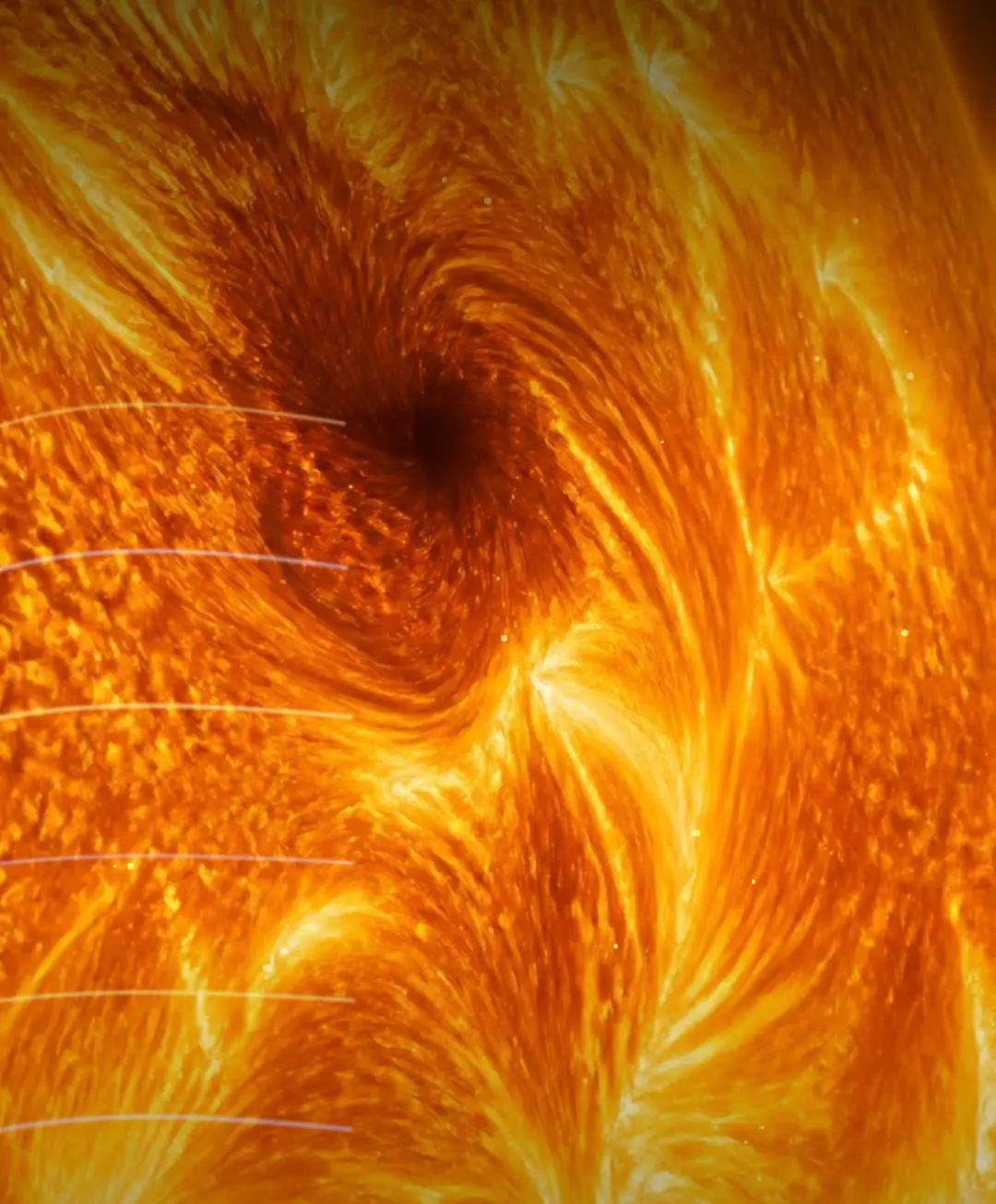
Where space weather begins.
Follow solar flares, coronal mass ejections and geomagnetic storms as they travel from the Sun to Earth.
See Space Weather DashboardSolar surface and magnetic loop structure
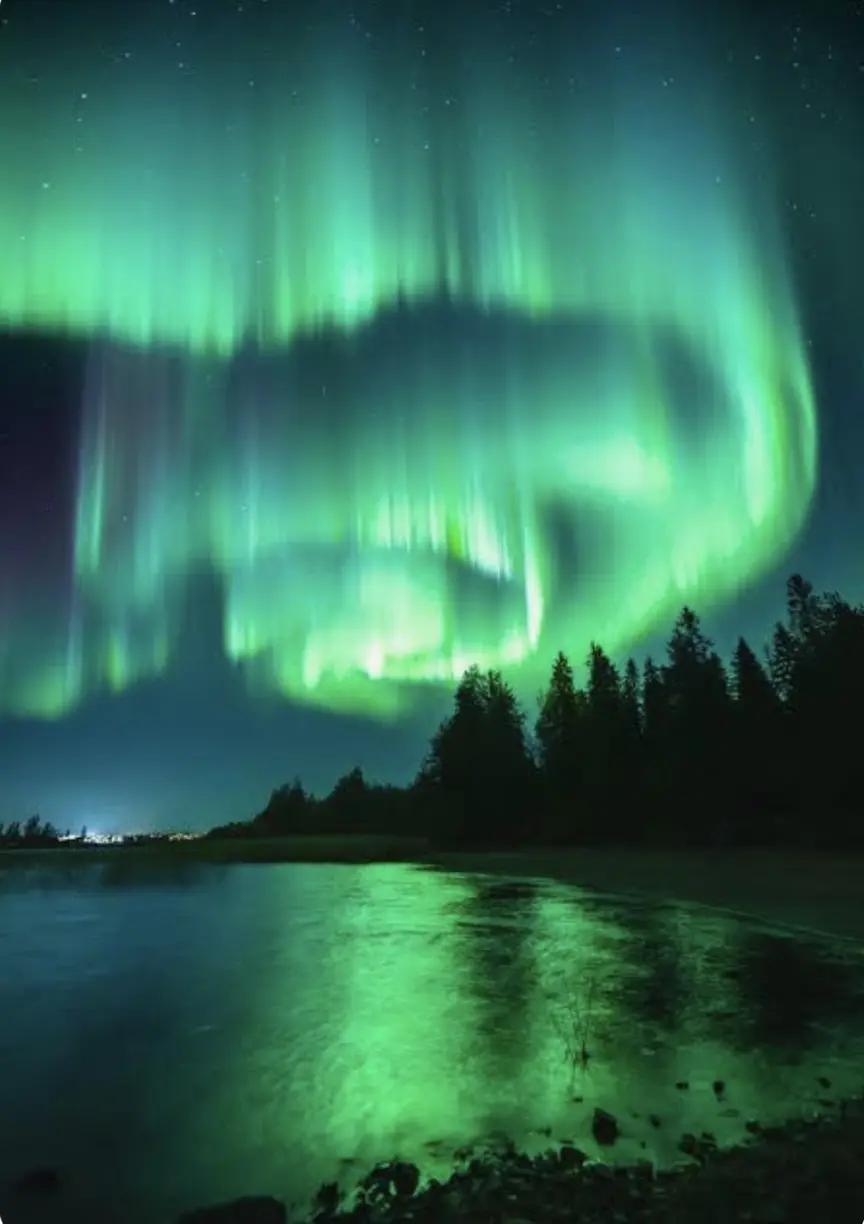
When space reaches Earth.
Know when the northern lights may reach your sky tonight.
Check Aurora Tonight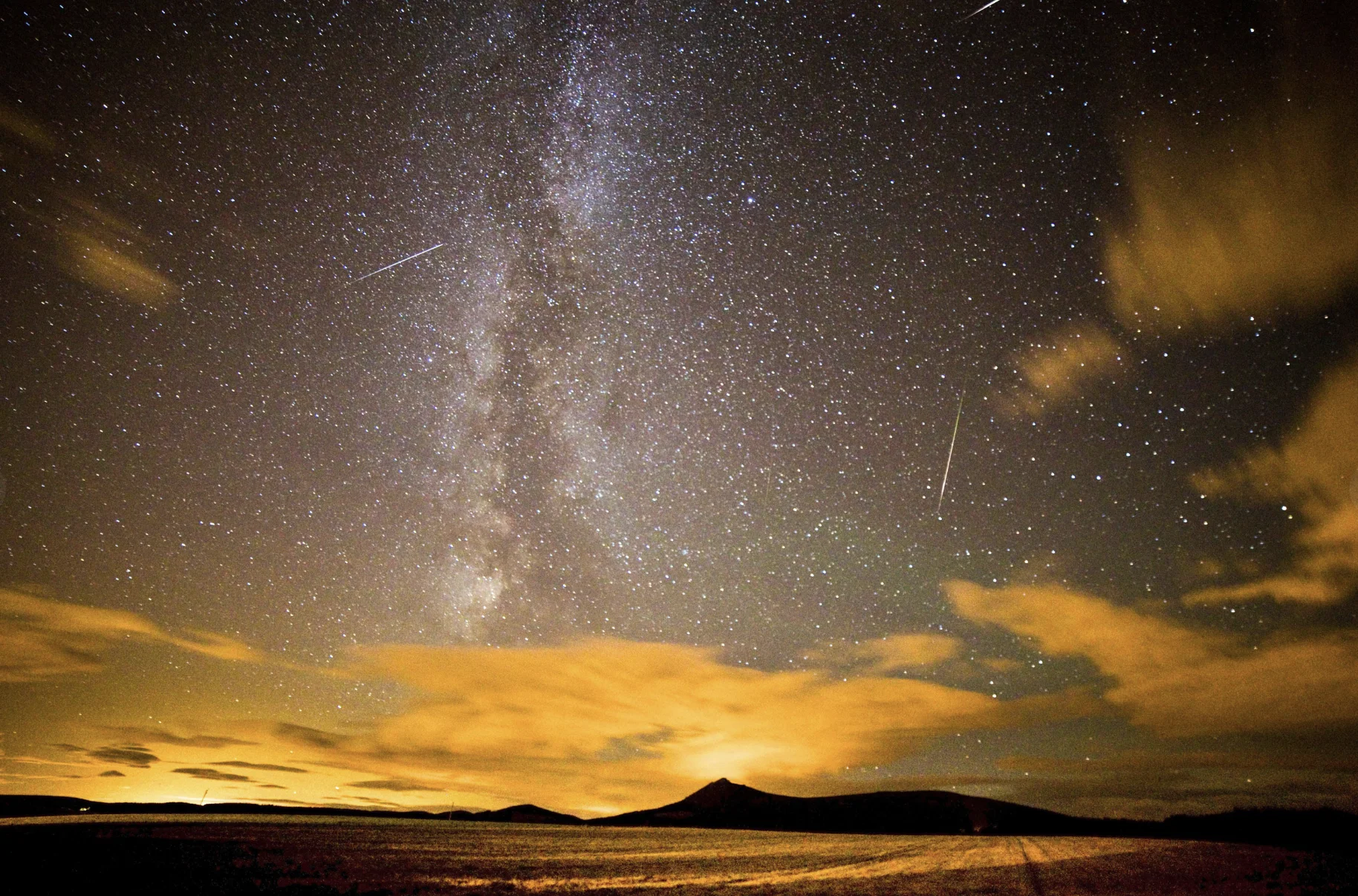
Tonight, look up.
Planets, the Moon, meteor showers and observing conditions for exactly where you are.
Explore your skyUnderstand what you're seeing.
Clear, scientific explanations — from solar storms to black holes and the scale of the universe.
Start learningBlack hole accretion disk — NASA Goddard general-relativity simulation, J. Schnittman
Weekly Space Weather Briefing
Get the aurora & solar storm forecast in your inbox
Every week: the Kp outlook, Earth-directed CMEs, flare activity and the best nights to look up — written from live NOAA and NASA data. No spam, unsubscribe any time.
The sky is always changing.
Explore SpaceWeatherTrackerSpace weather and aurora: common questions
Can I see the northern lights tonight?
Four things have to line up: enough geomagnetic activity (Kp) for your latitude, a dark sky with little moonlight, clear weather, and a clear view toward the pole. Strong activity cannot be seen through cloud or twilight. Check the live Kp index and aurora forecast here, then your local cloud forecast.
What is space weather?
Space weather describes the changing conditions of the Sun, the solar wind and Earth's magnetic environment. Solar flares, coronal mass ejections and fast solar wind can disturb Earth's magnetic field, producing aurora and, in strong events, affecting radio, GPS, satellites and power grids.
What does the Kp index mean?
Kp is NOAA's 0-to-9 index of global geomagnetic disturbance. Kp 4 and below is below storm level, while Kp 5 or higher counts as a geomagnetic storm (G1). As Kp rises, the auroral oval expands toward the equator, so aurora can be seen at progressively lower latitudes.
What do NOAA's G, S and R scales mean?
NOAA rates space weather on three scales from 1 to 5: G for geomagnetic storms (based on Kp), S for solar radiation storms, and R for radio blackouts caused by solar flares. Level 1 is minor and level 5 is extreme. Most days sit at or near zero on all three.
Where does the data on this site come from?
Live readings come from public NOAA Space Weather Prediction Center feeds, such as the Kp index, solar wind and GOES X-ray flux, and from NASA's DONKI database for coronal mass ejections. Where a feed provides an observation time, pages show that source time rather than when you loaded the page.
Data Sources
Space Weather: NOAA SWPC • NASA SDO • NASA DONKI/CCMC
Earth & Weather: NOAA/NWS • USGS • NASA EONET
Locations: GeoNames
Last reviewed: Oct 4, 2026 · Editorial standards · Data sources · About operator